KOREA FOUNDATION
Features
-
Features 2026 AUTUMN
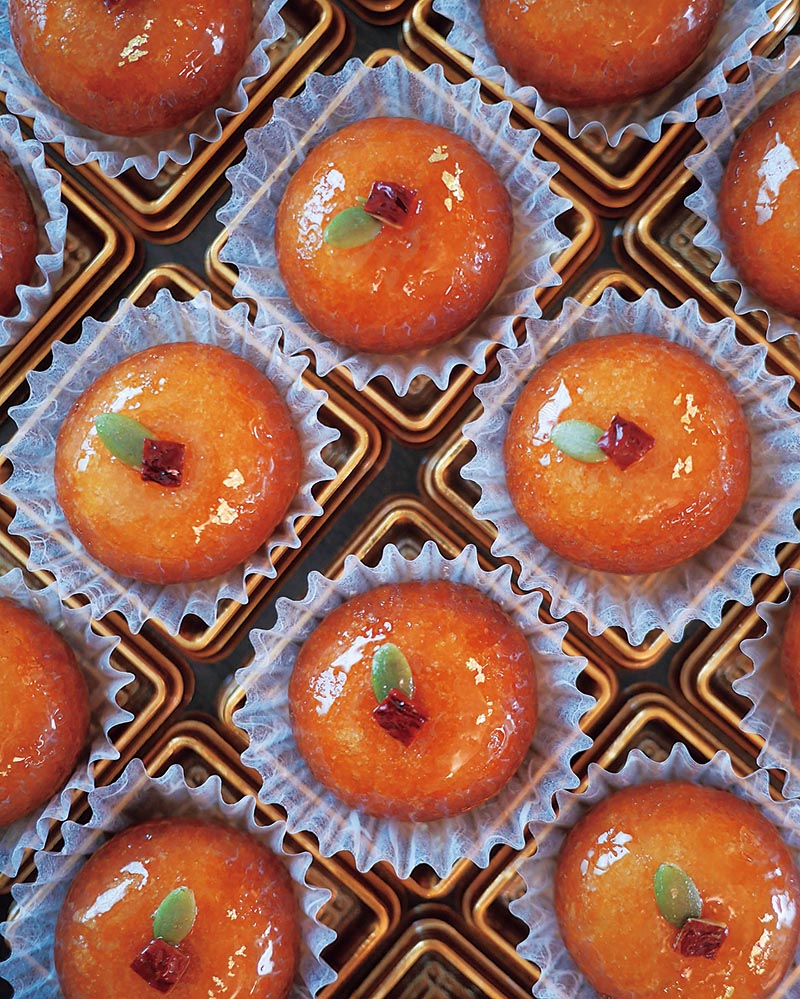
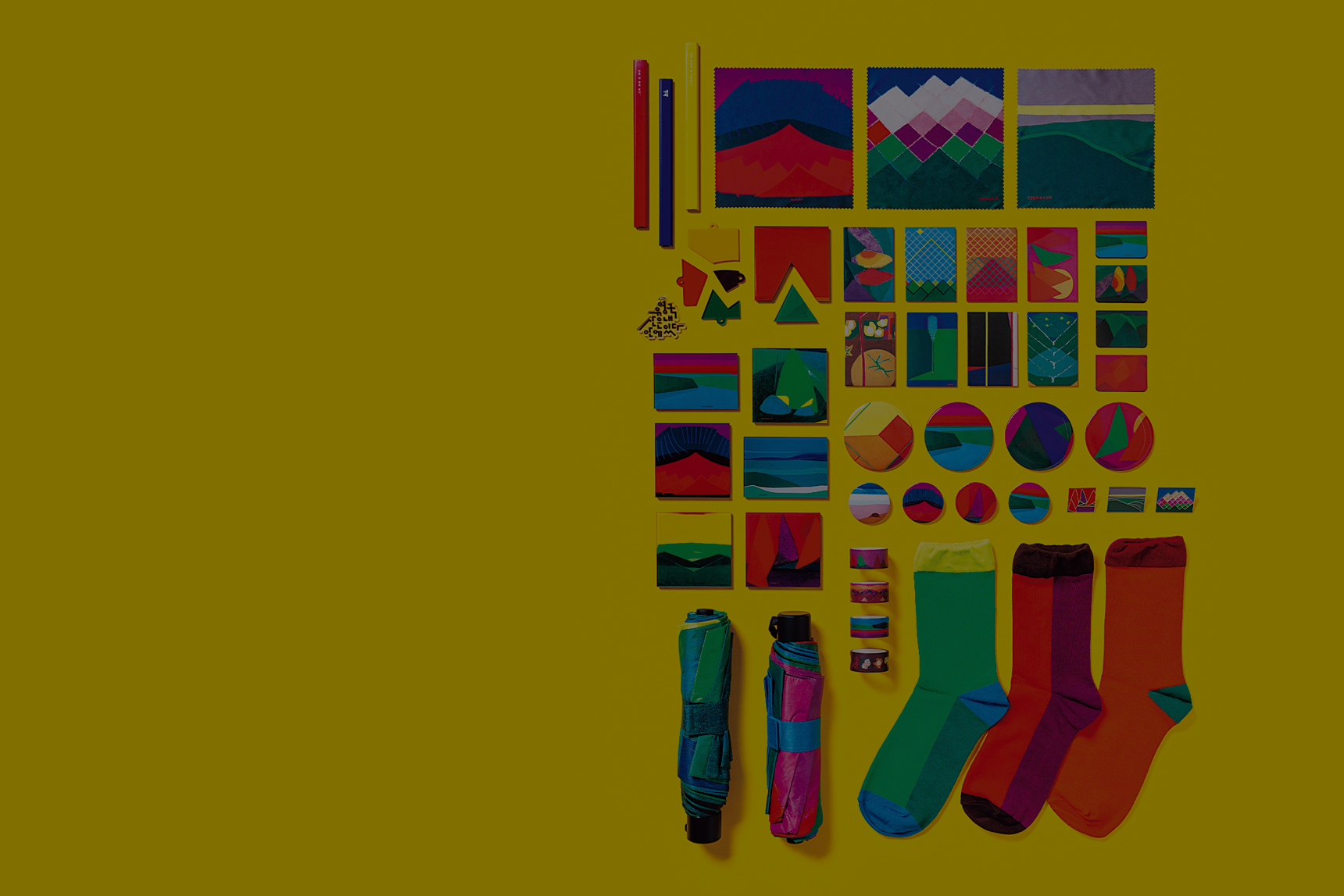
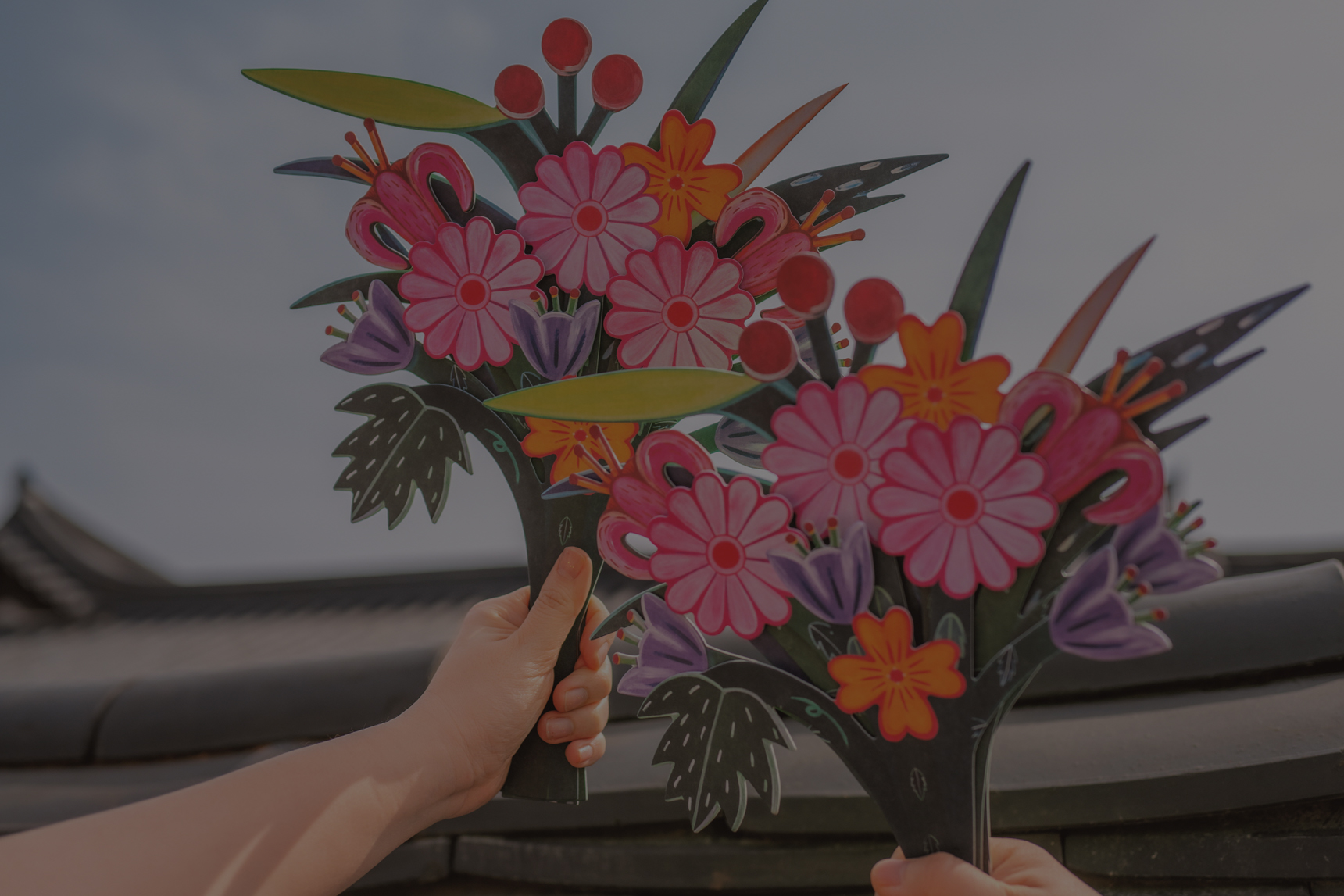
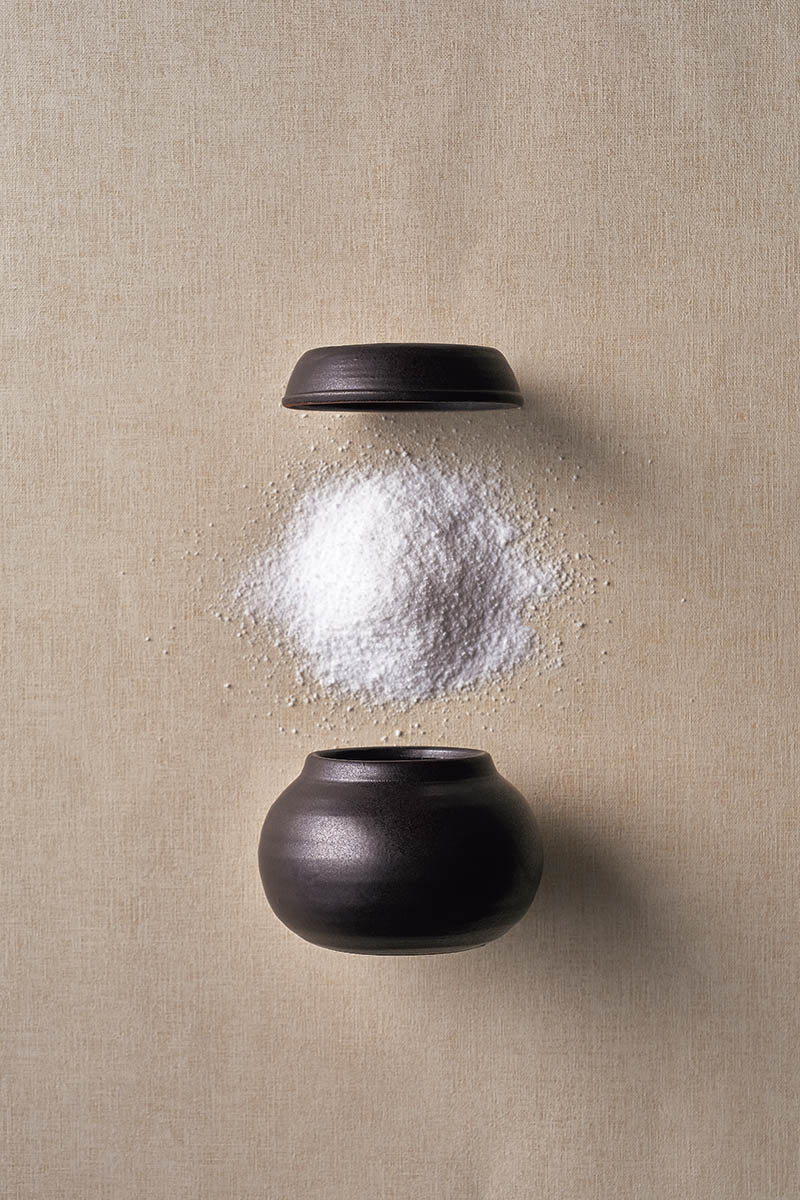
A New Way to Read a Region Tourist souvenirs in Korea are evolving. More than just travel trinkets, these “local goods” give new form to a region’s stories, overlooked resources, and everyday culture through a contemporary sensibility, even attracting travelers to a region. Today, local goods aren’t just diversifying in shape and category; they’re expanding into an entirely new way of discovering and experiencing a place.#KoreanLocalGoods #LocalGoods #KoreanSouvenirs #KoreanCulture
-
Features 2026 AUTUMN
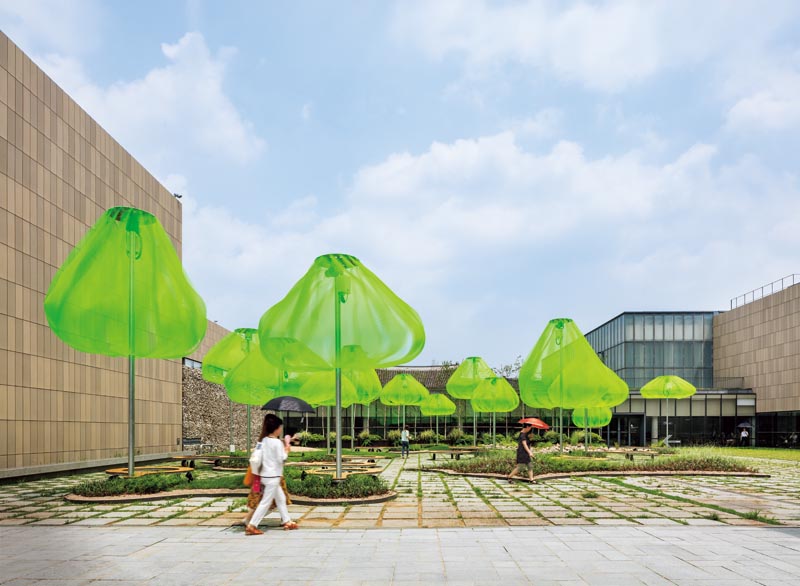
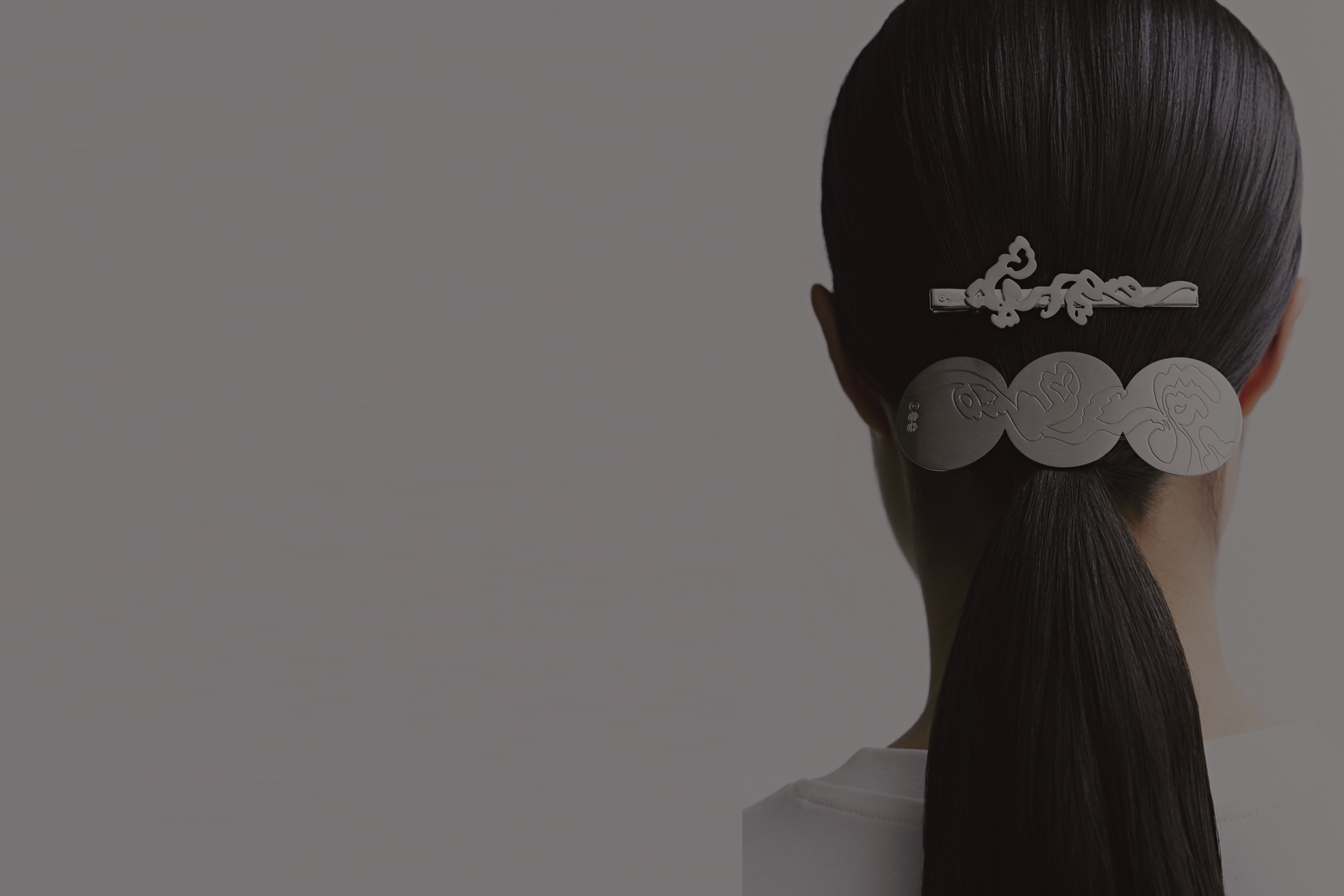
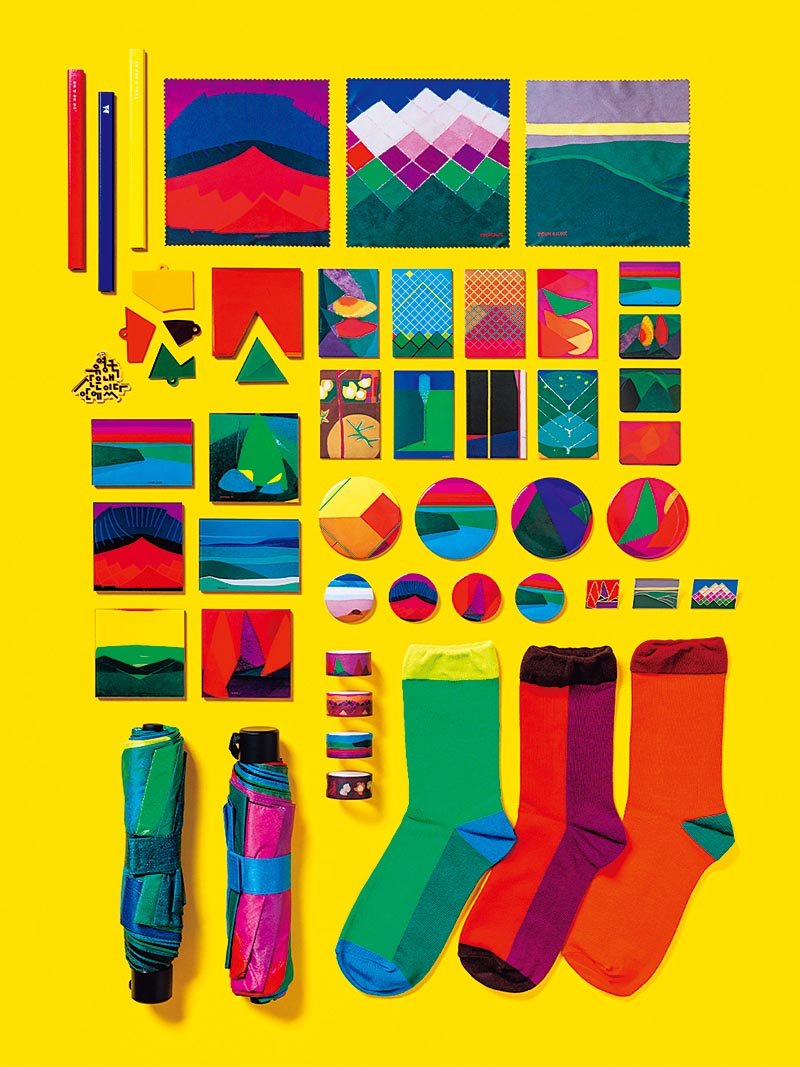
World of Artist Goods Artist-branded merchandise — or “artist merch” — is an extension of a creative practice that weaves their vision into the fabric of daily life. With creatives expanding their artistic footprint by building their own brands, teaming up with K-pop idols, or broadening their reach through major brand collaborations, these goods are finding their audience through a multitude of avenues, serving as a powerful engine that sustains the creative ecosystem.#ArtistMerch #ArtistGoods #ArtistBrand #ArtMerchandise #ArtAndDesign
-
Features 2026 AUTUMN
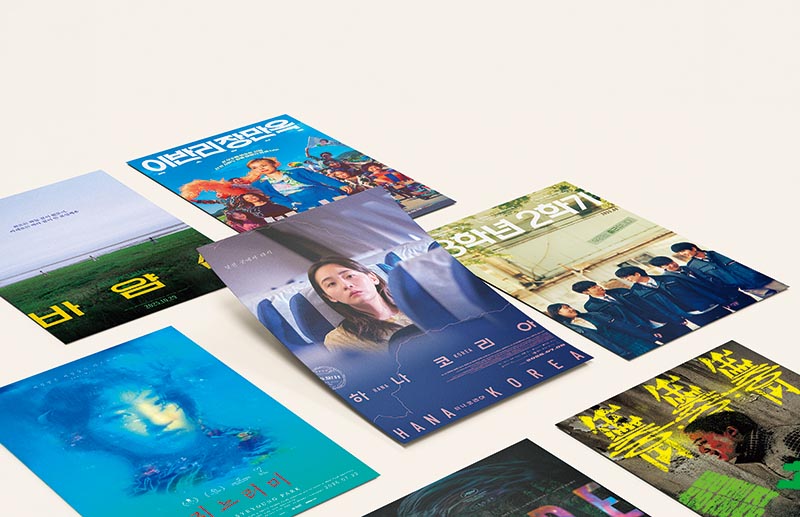
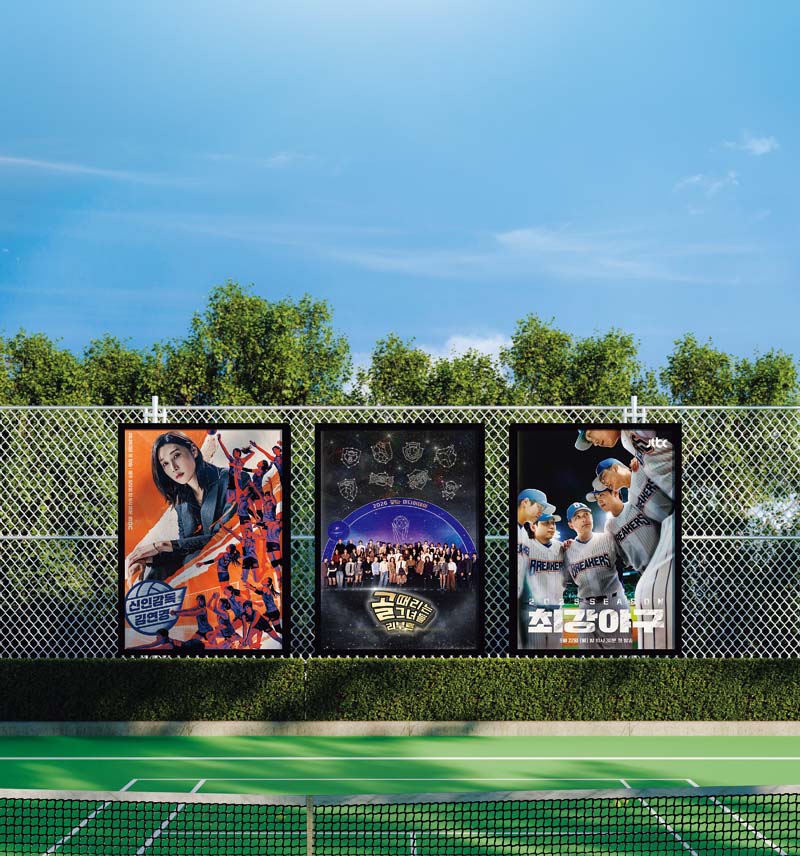
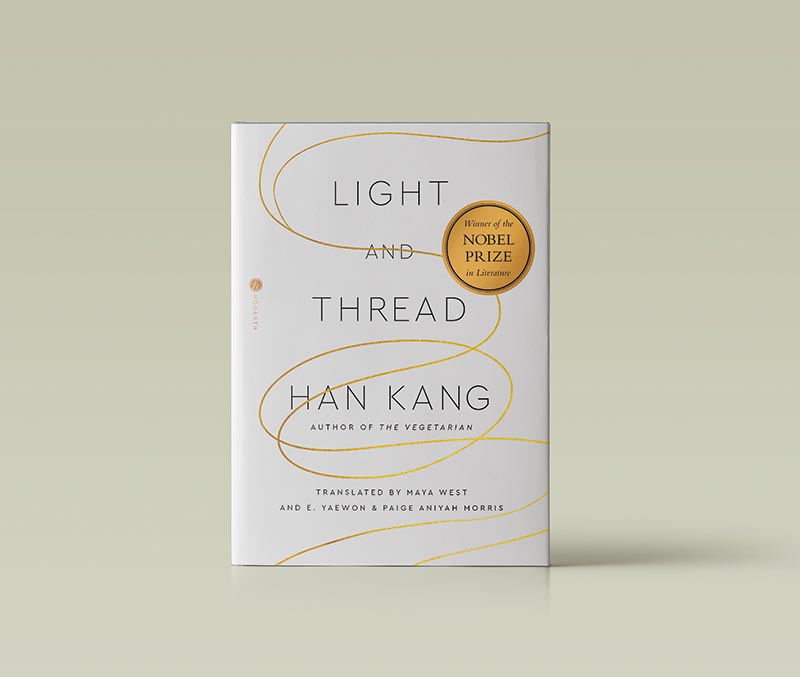
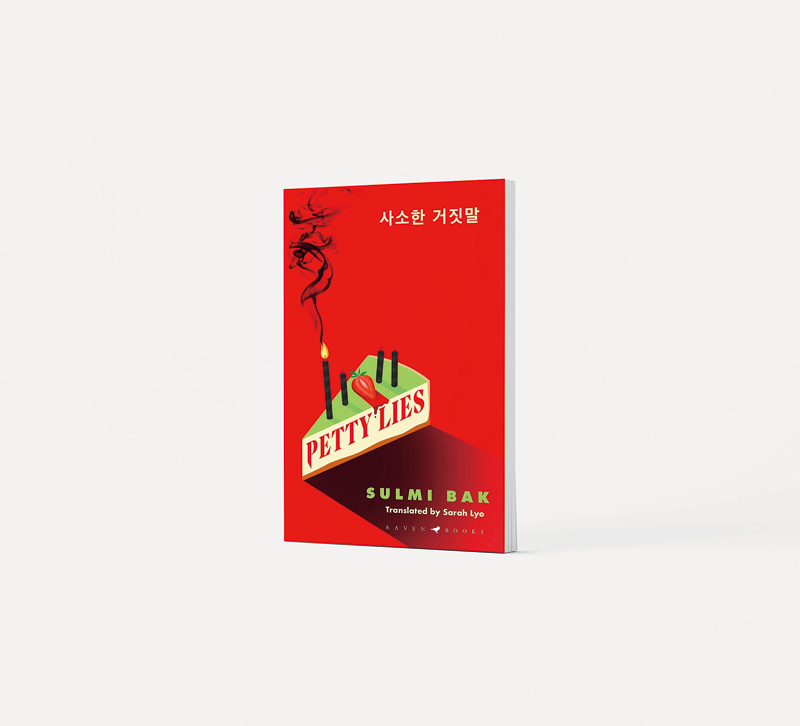
Objects of Connection Korea’s merchandise culture took root in the mid-to-late 1990s as a consumer phenomenon fueled by the rise of K-pop fandom. Since then, it has spread to other popular genres — such as webtoons, movies, and TV dramas, and eventually to art and literature — becoming a shared language across a wide range of cultural products. Recently, its reach has expanded into everyday consumption, transcending specific fandoms and taking on the characteristics of a universal consumer culture.#Merchandise #MerchCulture #KoreanCulture #KCulture
-
Features 2026 AUTUMN
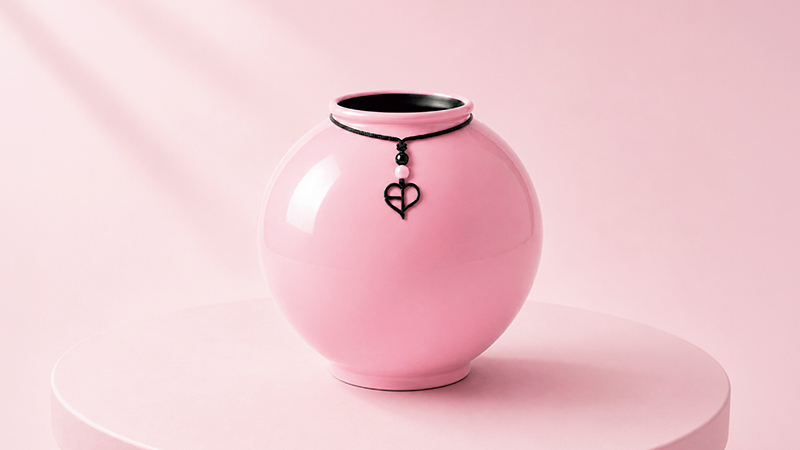
K-pop’s Game-Changing Savior K-pop album sales have cooled in recent years, but fan merchandise has emerged to drive the industry’s next wave of growth. Once simple souvenirs for collectors, K-pop goods have been pushing into fashion and lifestyle products, giving fans a way to experience an artist’s worldview and aesthetic firsthand.#KPopMerchandise #KPopFashion #KPopLifestyle #KPopCulture
-
Features 2026 AUTUMN
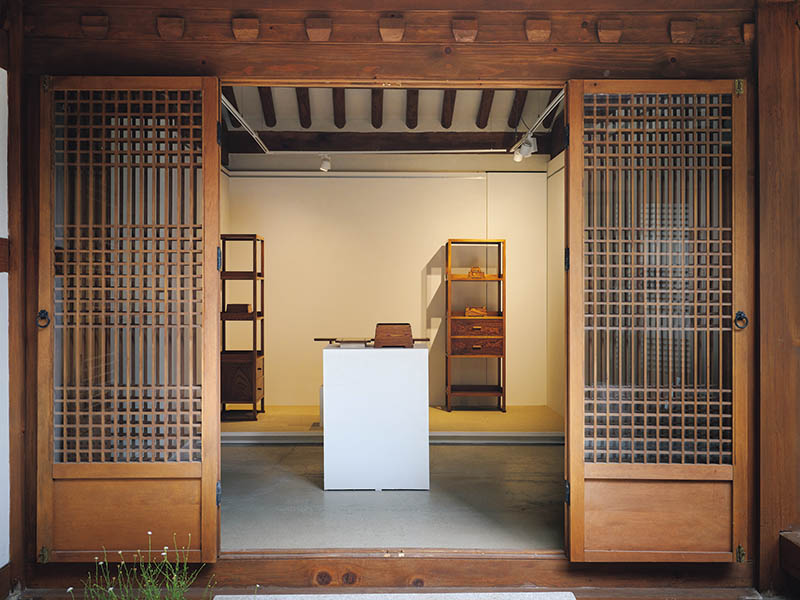
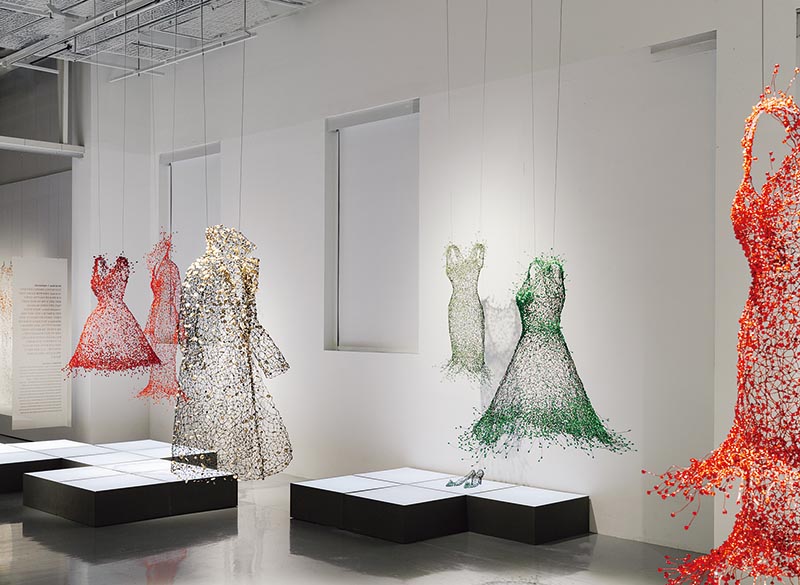
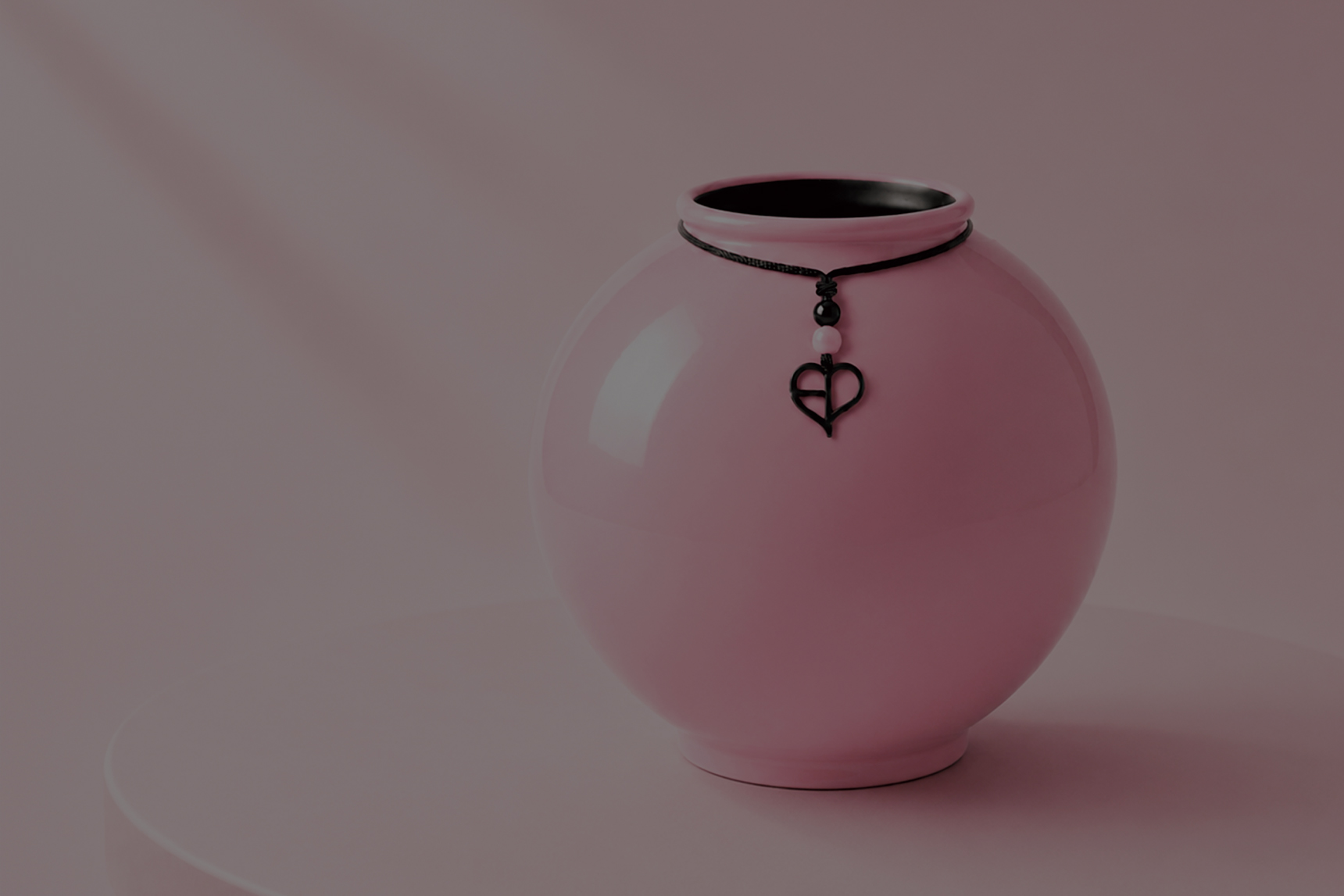
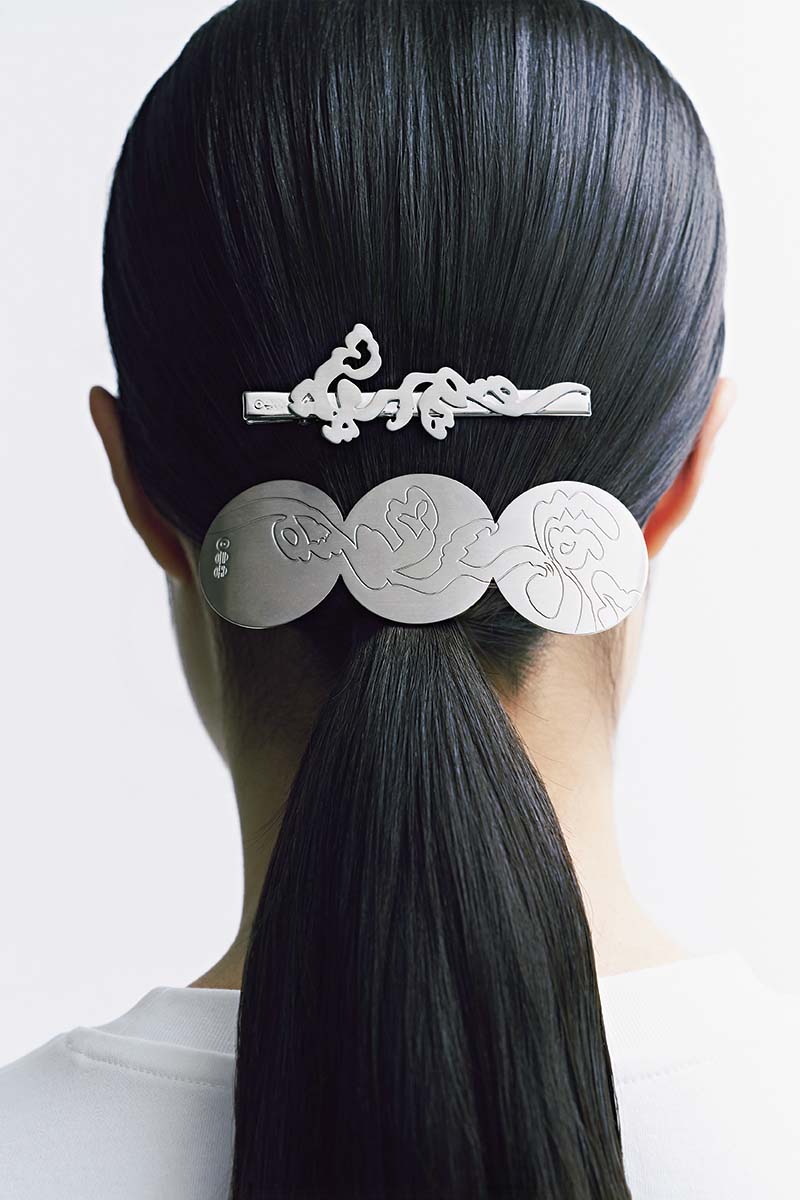
Bringing Cultural Heritage Into Everyday Life Products that put a contemporary spin on cultural heritage and traditional culture are growing rapidly in popularity. Inspired by artifacts and relics encountered in museums or historic sites, these heritage goods bring objects from the past closer to everyday life, emerging as a new resource for K-culture.#KCulture #KoreanCulture #KoreanHeritage #CulturalHeritage
-
Features 2026 SUMMER
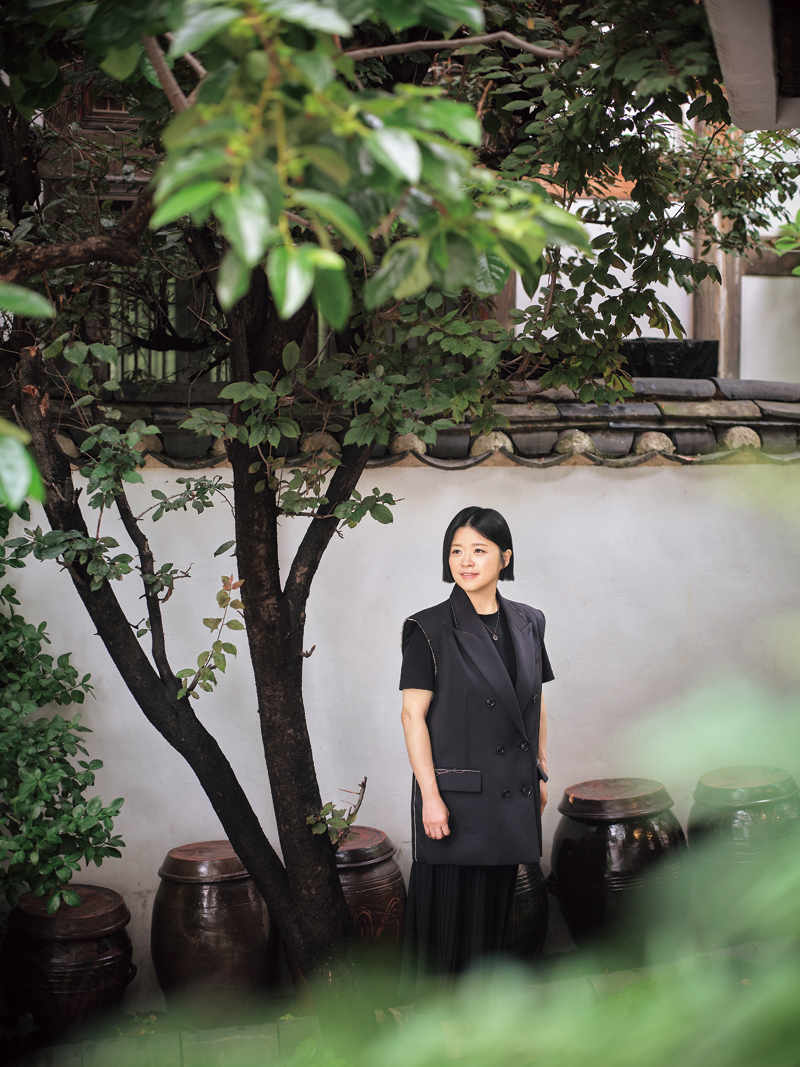
Fermenting Future Success in Hansik Choi Jung-yoon is one of the foremost advocates for Korean cuisine on the global stage. In 2023, she founded the nonprofit NANRO Foundation to help build a sustainable ecosystem for Korean food, and in 2025 she was appointed Korea chair of the World’s 50 Best Restaurants organization. At a traditional teahouse in Seoul’s historic Bukchon Hanok Village, she discussed the future of Korean fine dining.#NANRO Foundation #KoreanRoyalTable