Tourist souvenirs in Korea are evolving. More than just travel trinkets, these “local goods” give new form to a region’s stories, overlooked resources, and everyday culture through a contemporary sensibility, even attracting travelers to a region. Today, local goods aren’t just diversifying in shape and category; they’re expanding into an entirely new way of discovering and experiencing a place.
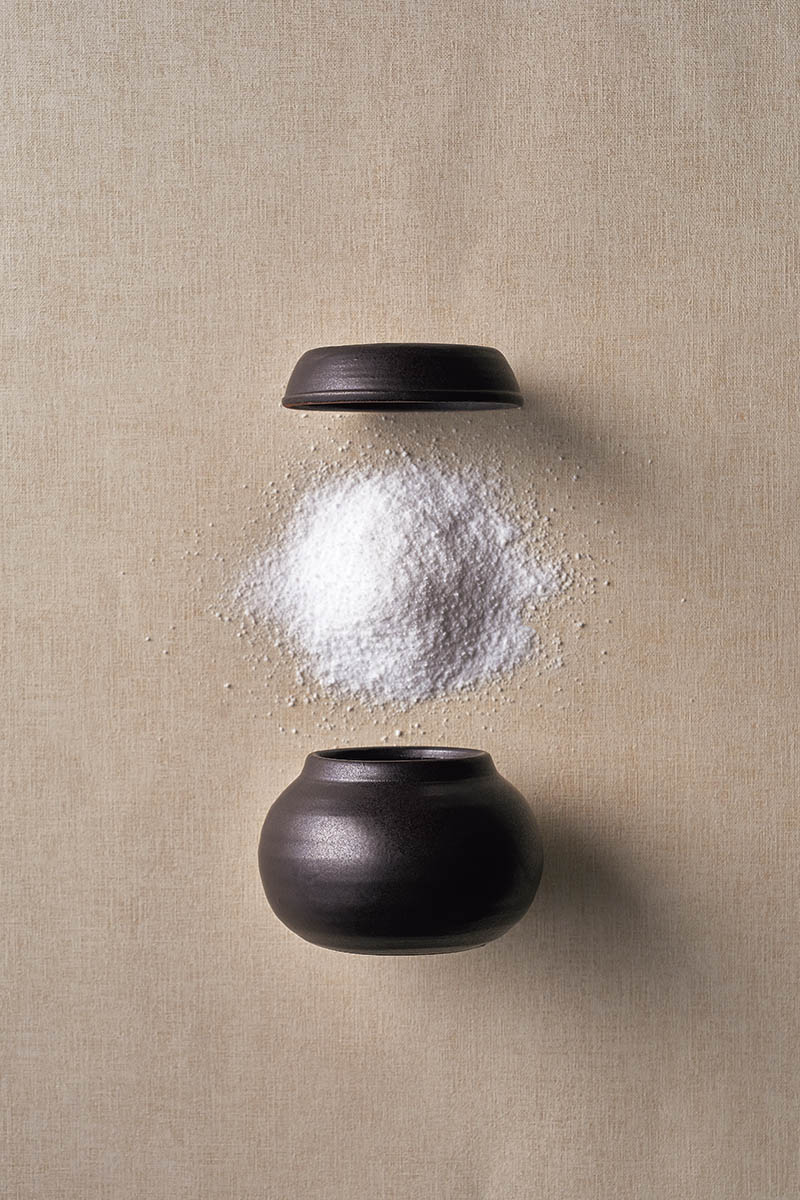
Reimagining the Korean custom of warding off misfortune, this Aengmagi Onggi Salt is crafted by Oksan100, a brand dedicated to giving traditional materials and everyday customs a contemporary spin.
© Oksan100
We’ve all been there: Caught up in vacation-mode excitement, you buy a souvenir on impulse, only to get home and realize you have no idea where to put it. For years, souvenirs were largely cut from the same cloth, in both design and function; wherever you traveled, the offerings looked much the same in Korea. Lately, however, a major transformation has taken place. Items once called souvenirs are now being labeled as “local goods,” and a wave of new products has arrived with design appeal and everyday utility to make people genuinely want to own them.
Since 1998, the Ministry of Culture, Sports and Tourism and the Korea Tourism Organization (KTO) have run an annual competition to discover and cultivate outstanding tourist souvenirs representing Korea and its regions. Even a glance through collections of past winners makes the shift obvious. Where handicrafts steeped in traditional culture once dominated, today’s lineup features products that still carry local identity but now speak the language of contemporary trends and sensibilities. The categories have broadened and regional food has also emerged as an important category of local goods, pointing toward new directions. But the heart of this change isn’t what is made into a product. Instead, it’s the lens through which a region is read.
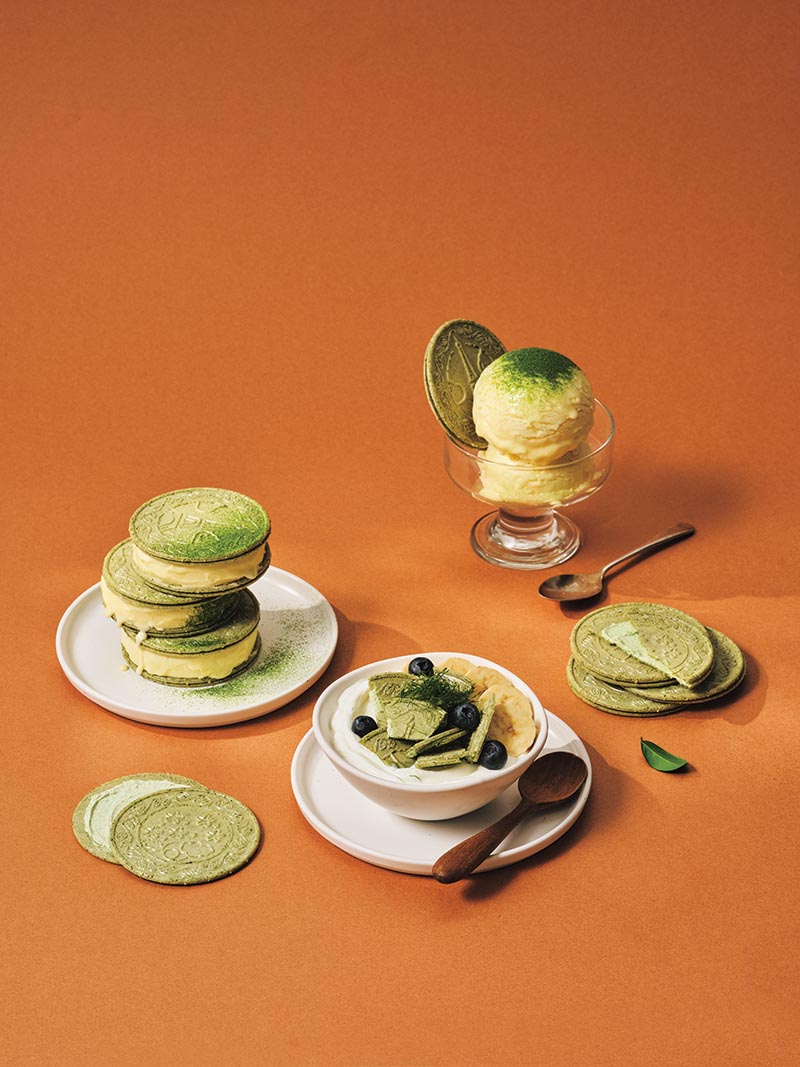
Crafted by Badasoop, a brand specializing in gamtae (green seaweed with a nutty flavor), the cream-filled wafers and caramels present the local ingredient in familiar dessert forms.
© Badasoop
NARRATIVE-DRIVEN DESIGN
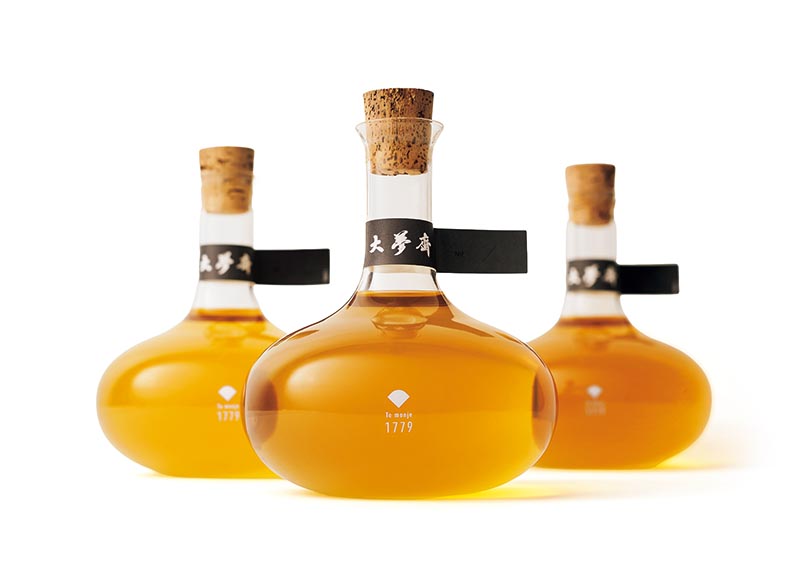
Launched by Gyochon Doga in 2022, Te monje 1779 is a traditional rice-based liquor that embodies the Gyeongju Choi clan’s home-brewing heritage, hospitality, and regional history.
© House of Choi
Gyochon Doga (Gyochon Farmhouse Brewing Co.) is a craft brewery located near the historic estate of the Gyeongju Choi clan in Gyeongju Gyochon Traditional Village. Run by House of Choi, a brand built upon the history and core values of the Choi clan, the brewery produces a rice-based liquor called Te monje 1779. Made according to a method passed down through generations of the family, the brewery uses homegrown glutinous rice and hand-molded nuruk (fermentation starter) for the heritage brew, and the mixture undergoes 100 days of low-temperature aging. What stands out here is the type of product selected as their “goods.” Instead of conventional keepsakes like decorative crafts or mini replicas of historical houses — items made purely for display — House of Choi opted for a drinkable keepsake.
Underneath that choice lies the family’s enduring philosophy of hospitality, infused into each bottle. “The heritage gayangju (home-brewed liquor) which inspired Te monje 1779 was originally used for ancestral rites and for receiving guests,” explains Choi Jae-yong, head of House of Choi. “Through this liquor, we’re trying to carry forward the tradition of etiquette, hospitality, and generosity.” Fittingly for a rice liquor born in Gyeongju — capital of the millennium-long Silla Kingdom (57 BCE–935 CE) — the bottle’s design draws its inspiration from Silla-era pottery. What began as one family’s domestic traditions has grown to encompass the broader history of Gyeongju.
Jeju-based ODUJEJ demonstrates the same principle, albeit in a different way. The brand’s name is “Jejudo” spelled in reverse — a wordplay inspired by the fact that letters can be stacked atop one another like a stone pagoda. Founded by Jung Ji-sol, a photographer who ran a photo studio in Seoul and relocated to the island, the name embodies a mission to showcase a side of Jeju distinct from its tourist-heavy image. His debut creation was the Mudle Crayon. In the Jeju language, meodeul refers to mounds of volcanic rocks. The fact that passersby rarely give these stone piles a second glance speaks to just how ubiquitous rocks are on the island. The islanders had to build their lives around the harsh terrain of a volcanic island, so these stones carry within them a history of labor and survival, and the memory of a community. That history became the inspiration for the crayons.
Unlike Te monje 1779, ODUJEJ embraced an obscure element of local life for their product rather than Jejudo’s obvious icons like tangerines or dol hareubang (“stone grandfather” in the Jeju language) statues. Yet both brands arrive at the same destination: translating a region’s accumulated way of life and collective memory into a tangible object. The familiar form of a crayon gives the object two distinct lives. Stacked atop one another, it serves as an artistic object honoring Jejudo’s stone culture; held in hand, it becomes a tool for drawing.
RESURRECTING FORGOTTEN RESOURCES
Unearthing fresh narratives is essential, but so is rediscovering local resources that have fallen out of the spotlight. Seosan, a coastal city in South Chungcheong Province, is home to Garorim Bay. Designated this year as a UNESCO World Heritage site as part of the Phase 2 expansion of the initial listing of four Korean tidal flats called getbol, this sediment-rich environment is where gamtae (green seaweed with a nutty flavor) is harvested primarily during the winter months. Because gamtae cannot be farmed, it is harvested exclusively from the wild, and its delicate structure means it must be carefully collected by hand. Due to a grueling harvest and temperature sensitivity in storage, mass production of gamtae was difficult to achieve, keeping it a local delicacy for generations.
Enter Badasoop, a brand that has spent three decades championing this overlooked ingredient. In 2015, Song Chul-su was designated a gamtae master by the city of Seosan for his efforts to improve processing methods and develop a product that is suitable for long-term storage and distribution. Today, his daughter, Song Joo Hyun, runs the business as a second-generation head. Thanks to their efforts, a seaweed once virtually stranded in the tidal flats has transformed into an in-demand ingredient for Michelin-starred chefs, earning shelf space at Paris’ Le Bon Marché and Galeries Lafayette department stores. Badasoop’s recent dessert gift sets featuring crisp wafers filled with gamtae cream and grain-syrup gamtae caramels add a new chapter to its history. Taking an unfamiliar ingredient and introducing it in a familiar form is how a fading local specialty successfully achieved widespread distribution.
The apparel brand Yeoyeo, which works with Andong hemp cloth known as Andongpo, tells a remarkably similar tale. This textile was once so renowned for its quality that it served as a royal tribute during the Joseon Dynasty (1392–1910). Recognizing its historical and artistic significance, the Korea Heritage Service designated traditional hemp weaving as National Intangible Cultural Heritage in 2019. Yet to younger consumers today, sambe (hemp cloth) is a far less familiar material than imported linen. Yeoyeo tackles this disconnect by reframing this traditional material through the contemporary language of “hemp.”
Although both refer to material derived from the same plant, the associations they evoke are markedly different. Typically, the term sambe instantly evokes images of summer clothing worn by older generations or funeral shrouds, whereas hemp feels contemporary and fresh. Ultimately, the brand didn’t alter the cloth itself; it simply shifted the context in which the material is presented. At a recent pop-up store in Seoul’s Bukchon neighborhood, the brand introduced hemp as part of a lifestyle, pairing apparel with decorative pieces including an incense holder made of hempcrete (biocomposite material made from the woody core of the hemp plant). Both Badasoop and Yeoyeo prove that local resources are neglected not because of a lack of quality or inherent worth. What’s important is the language and format used to represent these resources to modern consumers.

Made with natural materials and mineral pigments, local brand ODUJEJ’s Mudle Crayon comes in five distinct colors inspired by Jeju’s landscape: tangerines, the sea, Gotjawal forests, sand, and volcanic rocks.
© ODUJEJ
WHEN LOCAL GOODS MEET TRENDS
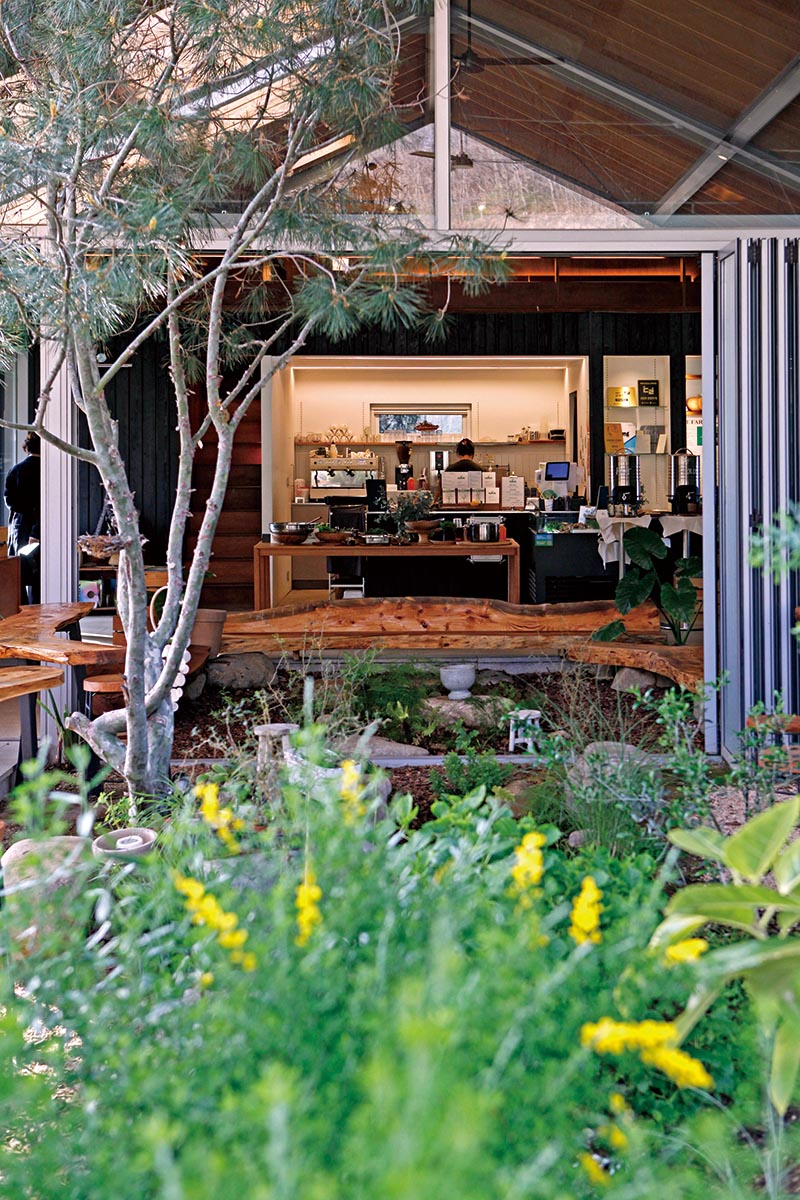
Et Haus is a cultural space that invites visitors to enjoy nature and the changing seasons, extending the concept of local goods into immersive experiences.
© Park Sang-jun
The art of reinterpretation even extends into religious customs and folk traditions. A moktak is a wooden Buddhist percussion instrument struck by monks during prayers and rituals. The workshop Yeongcheon Moktak, located in the city of Yeongcheon in North Gyeongsang Province, has been crafting these instruments for three generations. Creating a single moktak takes roughly three years, from selecting the apricot wood to processes which include drying, boiling, and carving. Each piece is perfected over time through the meticulous touch of a master artisan. Yet recently, this heritage workshop unveiled a surprising new product: a key chain. The miniature moktak key chains come in a rectangular shape inspired by the five directional colors (blue, red, yellow, white, and black) known as obangsaek. More than just offering a miniature size of the original instrument, the brand chose to faithfully translate the instrument’s internal acoustic structure. Although the sound doesn’t quite match the resonance of an actual moktak, the miniature version emits a resonant sound when tapped or swung on a bag.
This transformation rides on the wave of “hip Buddhism” sweeping younger generations — a movement where Buddhist practices such as meditation and temple cuisine are embraced as contemporary life choices. At events like the Seoul International Buddhism Expo, merchandise that reinterprets Buddhist iconography and culture attracted large crowds, inspiring Yeongcheon Moktak to marry a religious tool with an everyday accessory. What keeps these key chains from being mere trend-driven Buddhist merchandise, however, is the three generations of honed craftsmanship tucked inside each wooden piece.
Oksan100’s Aengmagi Onggi Salt sits in similar territory. This brand is known for reworking traditional materials — including white jade — and everyday customs, adding a touch of contemporary sensibility to its offerings. Aengmagi refers to a traditional practice of warding off misfortune and praying for peace. This product places salt, long believed to dispel impurity, in a small earthenware jar designed to be kept in the home. These jars are mostly given and received through the gifting feature available on KakaoTalk, the nation’s most popular instant messaging app, and reviews tend to mention how beautiful they are, or how well they work as an interior decor item. By layering contemporary tastes and modern consumption habits over an age-old custom, the brand created a new lineup of lifestyle goods.
Some brands are taking the idea of local goods beyond objects, extending it into space and experience. Et Haus, in Goesan, North Chungcheong Province, illustrates this perfectly. Here, visitors can relax in nature while enjoying everyday activities like lounging on the lawn, playing in the dirt, tasting food made from seasonal vegetables, or brewing tea from herbs grown on site. Even the products sold here are deeply connected to the space itself. As an example, take their Comfort Syrup, a blend of green plum syrup, mint, and eucalyptus oil. For those who have visited, a single taste instantly recalls the calm of nature; for those who have not, the flavor can spark an urge to visit. More than a nostalgic keepsake, it’s an invitation to visit. In this way, today’s local goods capture the experience of a destination in a physical object, which in turn reconnects people with that place.
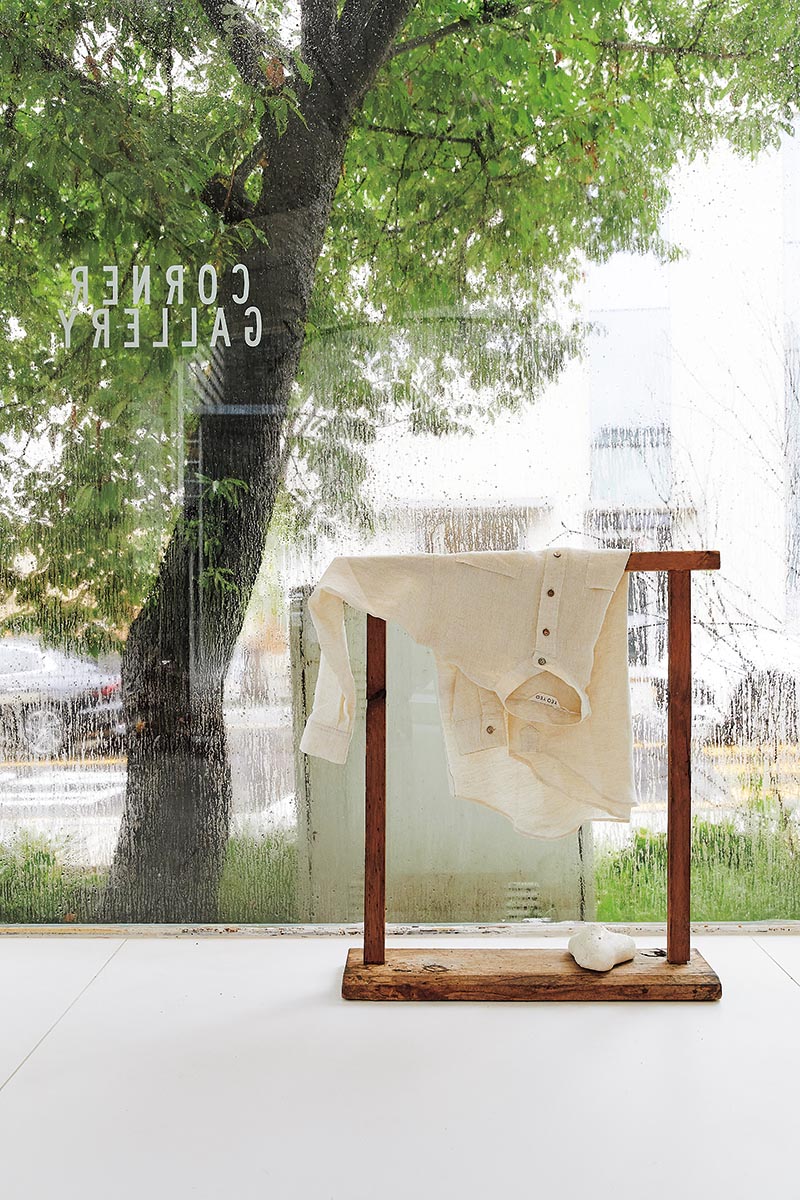
Displayed at the July 2026 pop-up, As It Is, at the Corner Gallery in Seoul’s Bukchon neighborhood, these Andongpo garments by Yeoyeo reinterpret traditional Korean sambe (hemp cloth) into contemporary wear.
© Yeoyeo
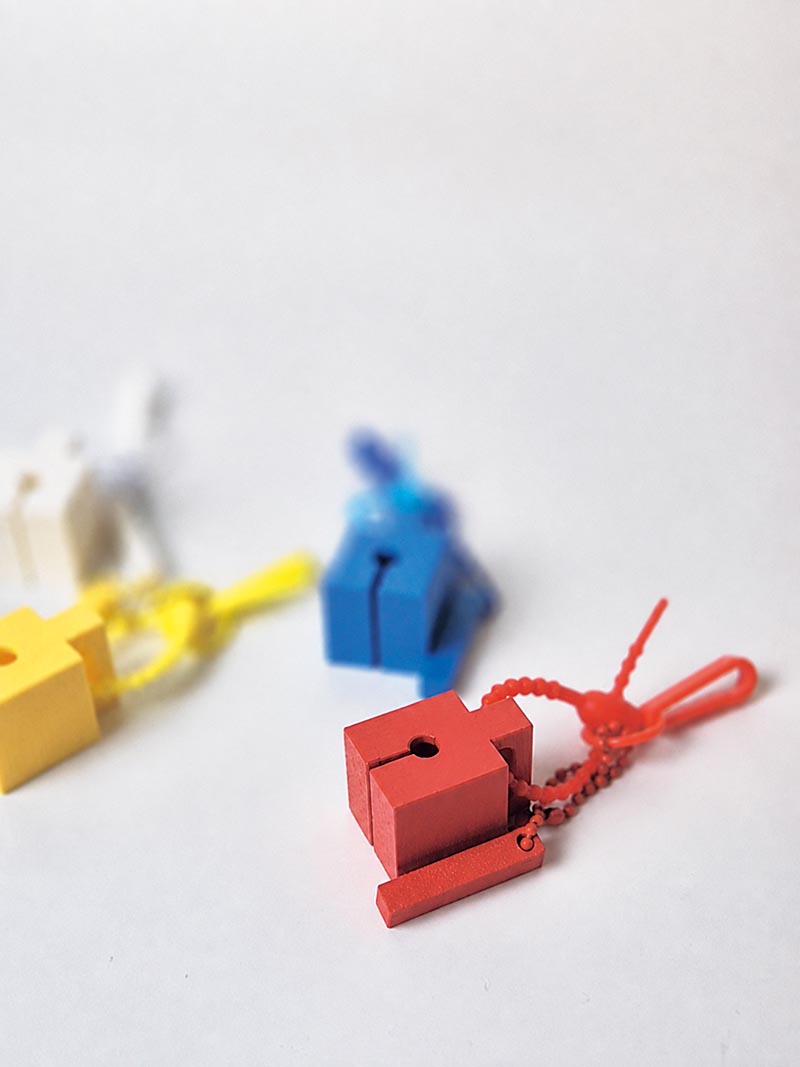
Reflecting the “hip Buddhism” trend, this square moktak key chain by Yeongcheon Moktak takes a Buddhist percussion instrument used for rituals and chanting and turns it into an everyday accessory.
© Yeongcheon Moktak
Kim Yerin Freelance Writer
 한국국제교류재단