Products that put a contemporary spin on cultural heritage and traditional culture are growing rapidly in popularity. Inspired by artifacts and relics encountered in museums or historic sites, these heritage goods bring objects from the past closer to everyday life, emerging as a new resource for K-culture.
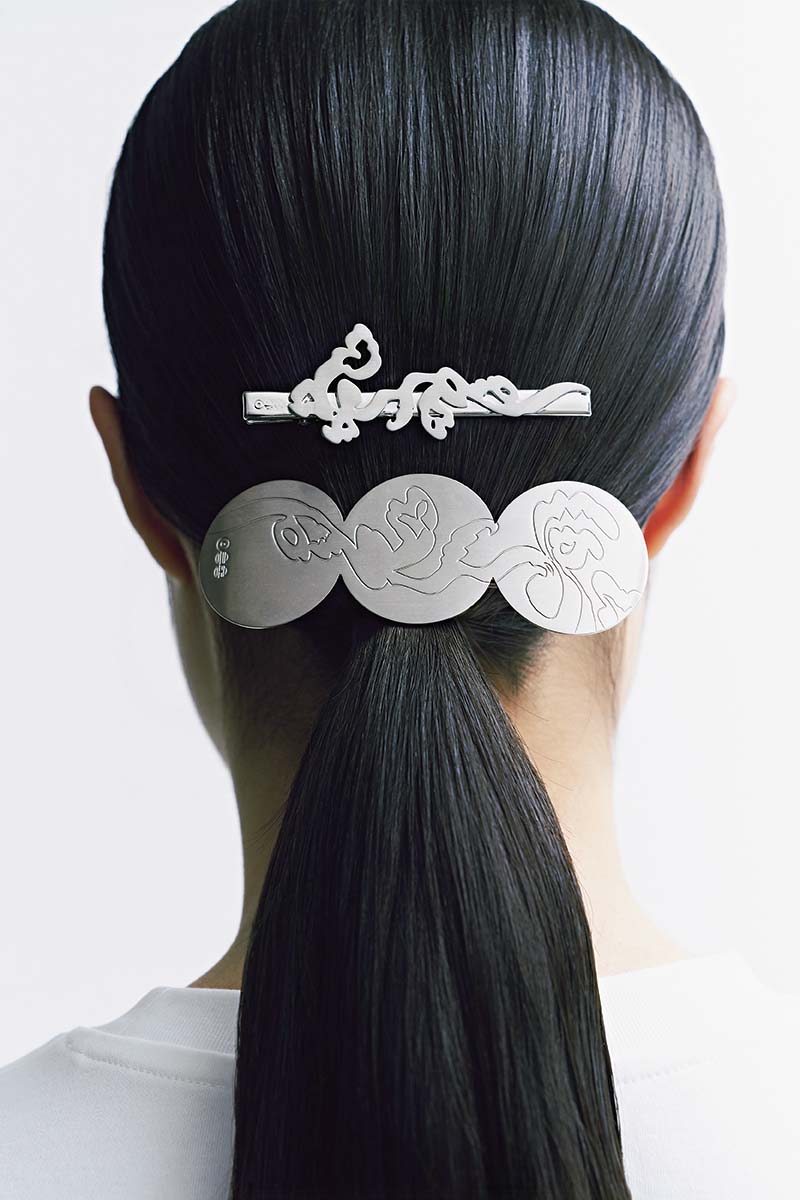
Created through a collaboration between HYBE and the National Museum Foundation of Korea, these hair accessories, inspired by motifs from the Divine Bell of King Seongdeok housed in the collection of Gyeongju National Museum, are part of the 2026 BTS × MU:DS Collaboration Merch introduced to commemorate the release of BTS’ fifth studio album, Arirang.
© BIGHIT MUSIC & HYBE
The National Museum of Korea (NMK) is seeing significant growth in attendance with the number of visitors in 2025 surpassing 6.5 million. According to the 2025 visitor numbers survey released this March by the London and New York-based international publication The Art Newspaper, the NMK ranked third among the world’s most-visited art museums, following Musée du Louvre with 9,046,000 visitors and the Vatican Museums with 6,933,822 visitors. The surge shows no sign of abating; the NMK welcomed a total of 3,255,160 people from January to May this year, including international visitors. This marks a 45.2% jump compared to the same period last year, with the number of international visitors increasing by around 57.8%. The dramatic rise in numbers seems to reflect a growing interest in Korea’s cultural heritage both locally and globally.
The boom in visitor attendance has naturally spilled over to interest in museum merchandise sold under the brand name MU:DS. These products are inspired by the cultural artifacts and treasures housed in the NMK and 13 affiliated museums, including Gyeongju National Museum. A portmanteau of the words “museum” and “goods,” the name MU:DS reflects the hope that people would perceive museums as a place to have an enjoyable experience — a place they want to revisit. Launched in 2022, it has since grown into a sought-after brand in a short period with people lining up to purchase these museum goods.
ORDINARY SOUVENIRS INTO A UNIQUE BRAND
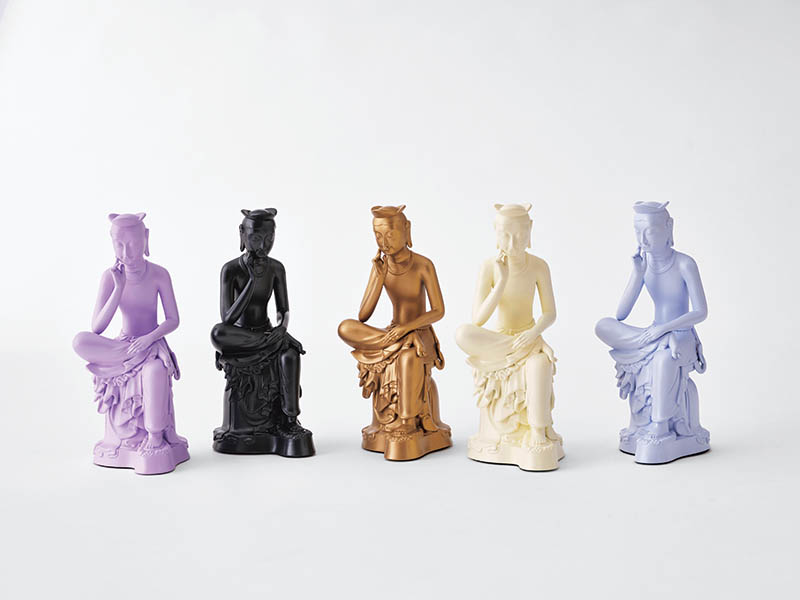
The Pensive Bodhisattva Miniature series, available in various colors and designs, is a signature MU:DS item. Cumulative sales of the popular merchandise surpassed 61,000 by early 2026.
© National Museum Foundation of Korea
Gift shops are a fixture of museums, from major national institutions to small private ones. So why is it that NMK’s MU:DS in particular has generated so much buzz? In the past, museum merchandise was generally regarded as souvenirs or cultural products. They consisted mainly of commonplace items such as postcards or stationery printed with images of famous artifacts in the museum collection. In contrast, MU:DS goes beyond literal interpretations of cultural heritage. Instead, these products spark curiosity and delight through unique concepts and creative designs. The little-known brand has now become a familiar name to the public, serving as a vehicle for promoting Korea’s cultural heritage around the world.
The turning point for MU:DS came with the launch of the Pensive Bodhisattva Miniature. The particular bodhisattva in question — a representative artifact in the NMK’s collection — is the gilt-bronze Pensive Bodhisattva absorbed in deep thought with the right foot resting on the left knee and right hand gently touching the cheek. On display in the museum’s permanent exhibition gallery, the Room of Quiet Contemplation, are two Pensive Bodhisattva statues, which were produced in the late 6th century and early 7th century, respectively. The miniature replicas of the pensive bodhisattvas became an instant sensation as soon as they were released and were later expanded into various colors and designs. Adding momentum to the popularity of MU:DS were products born of audacious concepts and fun ideas: the Dancheong Keyboard, which incorporates the decorative elements of dancheong (traditional patterns painted onto wooden buildings); and the Changing Soju Glass Set, which consists of shot glasses imprinted with comical images of three tipsy scholars depicted in a genre painting by Kim Hong-do (1745–circa 1806), one of the greatest painters of the Joseon Dynasty (1392– 1910).
In addition to products developed in-house or selected through open competitions, collaborations with other brands or K-pop artists are also driving the buzz around MU:DS. The “2026 BTS × MU:DS Collaboration Merch,” developed in partnership with entertainment company HYBE in the first half of this year, garnered explosive attention. The collection, which was created to commemorate the release of the fifth studio album, Arirang, by BTS, drew inspiration from the decorative elements of the Divine Bell of King Seongdeok, a national treasure housed in the Gyeongju National Museum. Released to coincide with BTS’ comeback as a full group, the collaboration generated roughly KRW 43 million (approx. USD 31,000) in sales at the museum shop alone in just two days. This demonstrates the potential of MU:DS to branch out into new areas and merge with contemporary pop culture.
International visitors to the NMK are also avid buyers of MU:DS products. In the first half of 2026, they spent around KRW 1 billion (approx. USD 730,000) on museum merchandise, a nearly twofold increase compared to the same period last year. In addition to the items that went viral in Korea, souvenirs like magnets, purchased as tokens of their visit, are also popular with tourists from abroad. MU:DS is also making forays into international markets. In 2025, the Smithsonian’s National Museum of Asian Art presented Korean Treasures: Collected, Cherished, Shared, an exhibition featuring selections from the Lee Kun-hee Collection, and MU:DS products were introduced to an international audience. This year, the Korean Cultural Center in Los Angeles hosted the special exhibition MU:DS, K-Culture Unboxed in Los Angeles, which spotlighted heritage-inspired museum merchandise. These are just some examples of how MU:DS has grown into a brand that represents K-culture around the world.
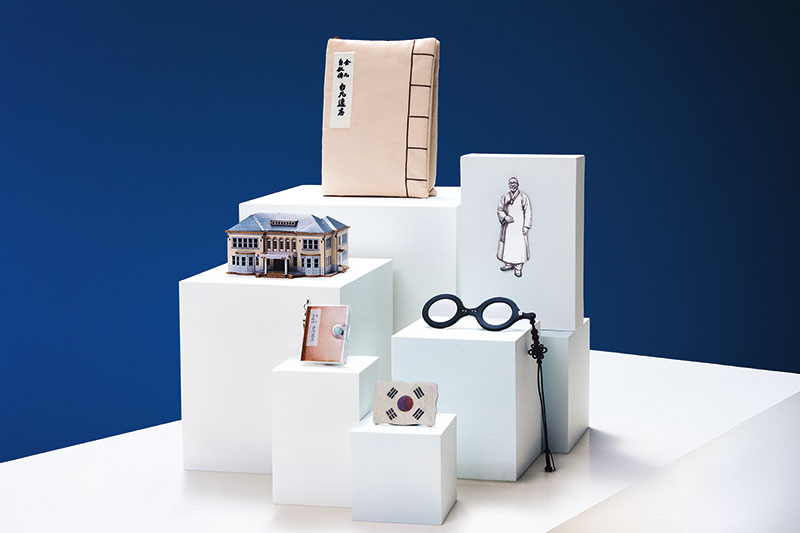
Marking the 150th anniversary of the birth of Kim Gu (1876–1949), the Korea Heritage Agency released these cultural products in 2026 to honor the independence activist and former head of the Korean Provisional Government.
© Korea Heritage Agency
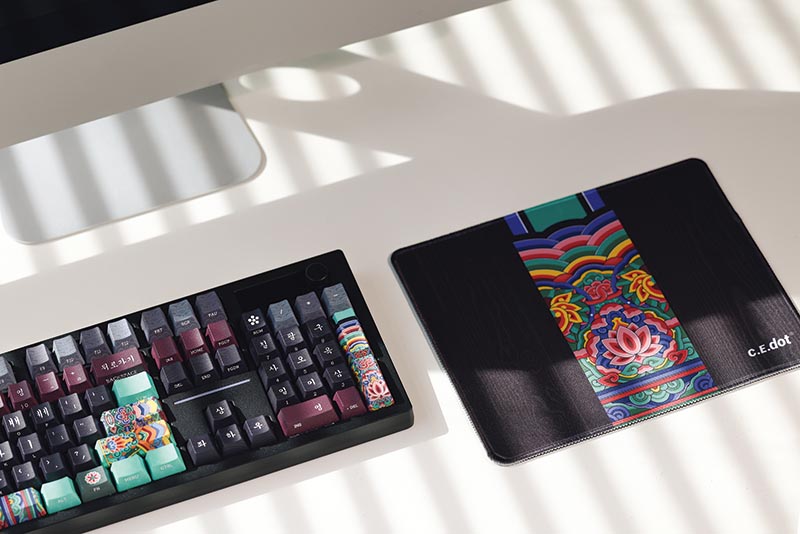
Decorated with dancheong (traditional patterns painted onto wooden buildings), this keyboard seamlessly merges cultural heritage with an everyday digital device.
© National Museum Foundation of Korea
THE PEOPLE BEHIND MU:DS
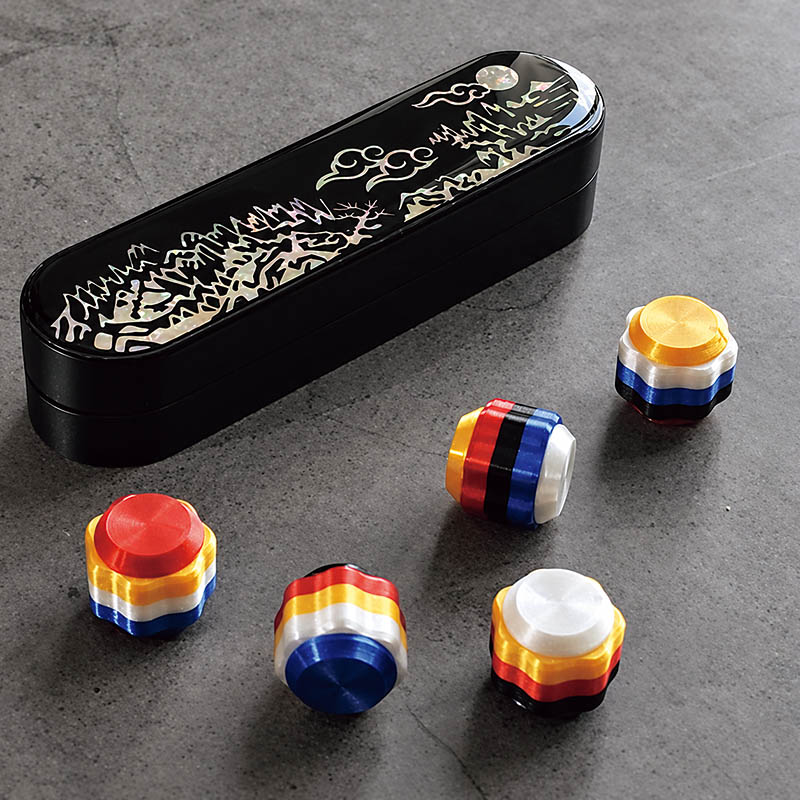
Selected in the 2026 MU:DS open call, Geumgangsan Saekdong Gonggi uses the traditional obangsaek color scheme for a distinctly Korean aesthetic. Its mother-of-pearl case depicts Mt. Geumgang, and the highly popular set has repeatedly sold out.
© National Museum Foundation of Korea
The creative genius behind MU:DS is the National Museum Foundation of Korea. In 2005, the NMK moved from its former site at Gyeongbok Palace to a newly built complex in Yongsan District. In the new location, cultural facilities and amenities, such as performance venues, restaurants, and cafés, in addition to exhibition halls, were greatly expanded. Prior to the move, the Cultural Foundation of National Museum of Korea was established in 2004 to oversee performances, cultural product development, and operation of visitor amenities such as cafés and restaurants. The foundation began full-scale operations the following year with the reopening of the museum, and in 2011, it was relaunched as the National Museum Foundation of Korea in accordance with the Museum and Art Gallery Promotion Act. One of its core initiatives is the development of museum merchandise, overseen by the Product Planning Team. Im-ja Choi, the team leader, explains what MU:DS aspires to.
“Visitors tend to view merchandise sold at museums or art galleries as cultural products that are pretty much the same. We wanted to come up with a novel concept that could embody the distinct identity of the national museum. So, to break away from the run-of-the-mill and imbue museum merchandise with a distinctive quality, we created the brand MU:DS. Since its launch, we have developed a diverse array of products, and what we consider most important is how well they convey the cultural meaning and value of the artifact.”
In general, new merchandise development dovetails with the museum’s annual exhibition schedule. Each product translates key features of the artifacts on display into a design that also reflects current trends. At times, products are selected through open design competitions or curated from consignment pieces provided by external partners. “We conduct extensive market research on what’s trending. But no matter how great the design or how well it reflects current trends, the product loses value if it is disconnected from the artifact’s story. In that sense, the Changing Soju Glass Set is a perfect example of how design, ideas, practicality, and an artifact’s cultural value all come together harmoniously. I think that’s why it has been such a big hit.” As assistant manager Kim Na-jung, who is directly involved in product development, points out, there are many requirements that must be met for an item to win broad public appeal among the plethora of new products flooding the market. In this way, there are a myriad of factors to consider in the process of bringing a heritage-inspired product to market. Even one misstep can distort the original intent.
Buoyed by the success of MU:DS, other brands are also offering merchandise with a contemporary take on cultural heritage. K-Heritage is a brand launched by the Korea Heritage Agency with a line of everyday products themed on national heritage. One of its flagship products is the Joseon Royal Lantern DIY Kit, which has been a major hit since its launch in 2020. The hands-on craft kit is a modern reimagining of the square-shaped glass lanterns hung at royal night banquets in the Joseon Dynasty. In addition, the Seoul Museum of History gift shop, which opened in 2025, is an up-and-coming hot spot for museum merchandise. Although it doesn’t have a brand name, it offers a lineup of some 110 products, including specialty items inspired by the artifacts in the museum’s collection and goods produced in connection with exhibitions. Interest in Korea’s cultural heritage is stronger than ever, both at home and across the world. As efforts to interpret cultural heritage continue, so too will the ways people experience and engage with Korea’s cultural legacy.
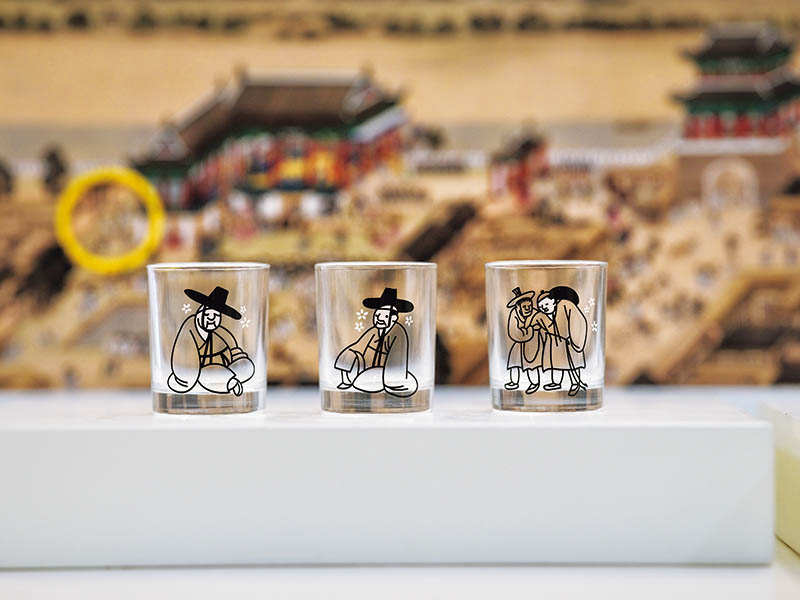
Inspired by a Joseon-era genre painting by Kim Hong-do depicting three tipsy scholars, this soju glass set features figures whose faces turn red when filled with cold liquor.
© Lee Min-hee
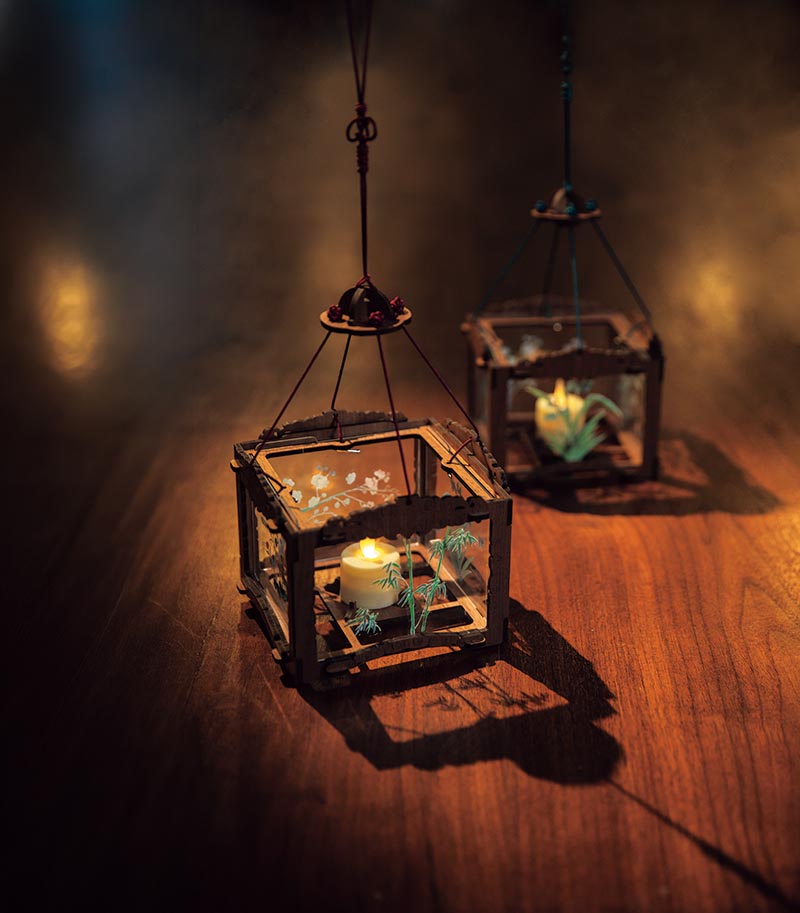
This signature Korea Heritage Agency product is a contemporary recreation of the square glass lanterns hung at Joseon Dynasty nighttime royal banquets.
© Korea Heritage Agency
Park Uiryung Freelance Writer
 한국국제교류재단